
The Rise of Hit Clubs in Grassroots Sports
In recent years, the concept of hit clubs has gained significant traction in the world of grassroots sports. These organizations not only foster a deep love for sports but also cultivate community, teamwork, and health consciousness among members. With a shift toward more inclusive and engaging sports environments, hit clubs are redefining how athletes of all ages participate in sports at the local level. When exploring options, hit club models offer innovative solutions to enhance participation and promote a sense of belonging.
What is a Hit Club?
A hit club is a community-focused sports organization that emphasizes participation in various athletic activities while fostering social interaction and team spirit. Unlike traditional sports leagues that often focus solely on competition, hit clubs prioritize inclusion, allowing individuals of all skill levels to engage in sports, making them accessible to everyone. By nurturing a supportive environment, hit clubs encourage not only physical fitness but also social connections among members.
Benefits of Joining a Hit Club
Joining a hit club can bring numerous advantages to its members, including:
- Physical Health: Regular participation in sports promotes fitness, enhances cardiovascular health, and encourages active lifestyles.
- Mental Well-Being: Engaging in sports can reduce stress, anxiety, and depression, contributing to overall mental health.
- Community Building: Hit clubs foster a sense of belonging and community, creating lasting friendships among members.
- Skill Development: Participants can improve their athletic abilities, regardless of their starting level, through teamwork and training.
- Leadership Opportunities: Members can take on leadership roles, boosting confidence and developing important life skills.
Understanding the Community Aspect
The community aspect of hit clubs is what truly sets them apart. These clubs aim to create a welcoming environment for everyone, regardless of age or skill level. Regular social events, team-building activities, and community outreach programs further strengthen the bonds among members. This environment not only encourages participation but also instills a sense of pride and ownership among athletes.
Top Sports to Join a Hit Club
Soccer and Its Popularity
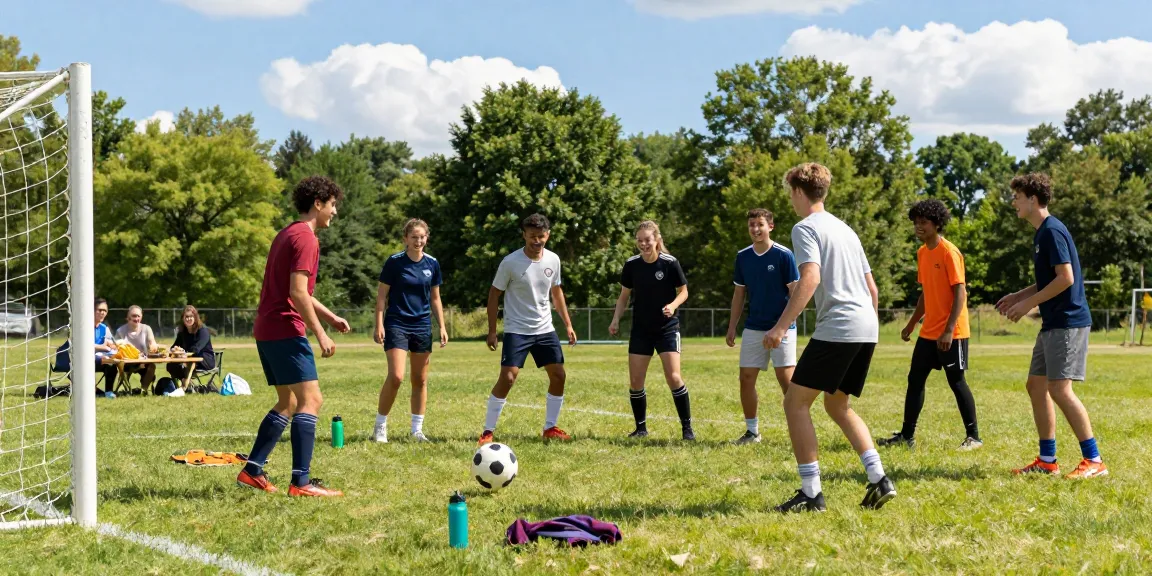
Soccer, the world’s most popular sport, has seen a tremendous increase in hit clubs across various regions. With its fast-paced nature and focus on teamwork, soccer is an excellent choice for individuals seeking both competition and community. Local hit clubs often facilitate skills training, friendly matches, and seasonal tournaments, making soccer accessible to a wide audience.
Basketball Hit Clubs: What to Expect
Basketball hit clubs are thriving due to their emphasis on teamwork and social interaction. Members can expect a mix of structured practices and casual games that promote inclusivity. Many hit clubs also organize coaching clinics and workshops, allowing players to learn from experienced trainers while enhancing their skills in a supportive atmosphere.
Emerging Sports in the Hit Club Community
In recent years, less traditional sports have begun to carve out their own niches within the hit club framework. Activities such as ultimate frisbee, dodgeball, and even esports are gaining traction as hit clubs seek to diversify their offerings. These emerging sports not only attract a younger demographic but also appeal to individuals looking for unique experiences in a community setting.
Building an Engaging Hit Club Experience
Cultivating Team Spirit and Fun
Creating an engaging club culture is essential for any hit club to thrive. This can be achieved through various approaches, such as:
- Organizing team-building events that promote camaraderie.
- Incorporating fun games and challenges into regular practices.
- Encouraging friendly rivalries with other local clubs.
- Celebrating individual and team milestones to foster a sense of accomplishment.
Event Planning for Hit Clubs
Well-planned events can significantly enhance the hit club experience. Clubs should consider hosting:
- Seasonal tournaments to engage members and attract new participants.
- Social gatherings that encourage networking and relationship building.
- Workshops and clinics that offer skill development opportunities.
- Community outreach initiatives that promote the club and local involvement.
Incorporating Technology in Sports
As technology continues to evolve, hit clubs can leverage innovative tools to enhance their operations and member experiences. This includes using apps for scheduling practices, tracking performance metrics, and creating social media groups to keep members connected. The integration of technology can streamline communication and improve overall engagement within the hit club community.
Challenges Faced by Hit Clubs
Overcoming Participation Barriers
One of the primary challenges hit clubs face is overcoming barriers to participation. Financial constraints, lack of awareness, and limited access to facilities can hinder membership growth. To combat these issues, clubs should consider offering scholarships, community workshops, and actively promoting their programs through local schools and organizations.
Addressing Safety and Liability Issues
With sports participation, safety is a primary concern. Hit clubs must implement appropriate safety measures, including:
- Regular maintenance of equipment and facilities.
- Establishing clear safety protocols for practices and events.
- Training members in first aid and emergency response.
- Ensuring that all participants have adequate insurance coverage.
Managing Club Finances Effectively
Financial sustainability is crucial for the longevity of hit clubs. This can be achieved by:
- Developing a clear budget to monitor income and expenses.
- Seeking sponsorships from local businesses.
- Implementing membership fees and fundraising events.
- Creating partnerships with community organizations to share resources.
Future Trends for Hit Clubs in 2026 and Beyond
Technology and Digital Engagement
As we look to the future, technology will continue to play a pivotal role in the evolution of hit clubs. By adopting advanced analytics tools, clubs can gain insights into member preferences and participation trends. Additionally, the use of virtual platforms for remote training and engagement is expected to increase, expanding participation opportunities.
Inclusivity in Hit Clubs
The push for inclusivity will remain a central theme in the growth of hit clubs. Future initiatives will likely focus on ensuring accessibility for individuals with disabilities, promoting diversity within teams, and creating programs specifically tailored to underserved communities. This commitment to inclusivity will help foster a sports culture that embraces everyone.
Metrics for Measuring Success
As hit clubs evolve, the ability to measure success will become increasingly important. Key performance indicators (KPIs) might include:
- Membership growth rates.
- Event participation levels.
- Community engagement and outreach effectiveness.
- Member satisfaction through regular surveys.
What Makes Hit Clubs Sustainable?
Sustainability will hinge on hit clubs’ commitment to adaptability and community focus. By continuously evolving with member needs and societal changes, these clubs can sustain interest and participation. Engaging in regular feedback loops, fostering community connections, and implementing innovative practices will be vital in ensuring the long-term success of hit clubs.